
Repair Support for the Grain Equipment Harvest Depends On
Fixed Grain Handling Equipment We Support
Harvest repair needs commonly involve:
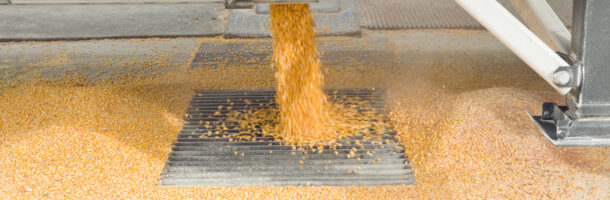
- Receiving pits and unload systems
- Bucket elevators and grain legs
- Belt, drag and screw conveyors
- Augers, spouts and transfer equipment
- Bearings, shafts, couplings, pulleys and drives
- Dryer and bin-related handling components
- Mechanical supports and field-fabricated connections
If equipment is producing unusual heat, noise, vibration, spillage or reduced flow, do not wait for a complete stop to request help. Early symptoms can provide a chance to repair a worn component before it damages surrounding equipment or brings receiving to a halt.

Fast Diagnosis Starts with Good Field Information
Before the service visit, tell us what the equipment was doing when the problem appeared. Did capacity change? Was there a plug or overload? Has the component needed repeated adjustment? Are replacement part numbers available? Photos and observations can help the team prepare for the service need.
On-site, we evaluate the failed component along with alignment, supports, loading and material flow. This helps distinguish a part that simply reached the end of its service life from a failure caused by another condition. Repair may involve replacement, realignment, adjustment, reinforcement, fabrication or modification.
Protect the Rest of the Harvest System
A temporary workaround can sometimes keep grain moving, but it should not expose people or equipment to added risk. Repeatedly restarting a binding conveyor or overheated bearing can extend damage into belts, shafts, drives and structures. Follow site safety and lockout procedures, and keep people away from moving or unstable equipment.
After urgent harvest equipment repair, Morgan Millwright can help identify work that should be scheduled after the season. That may include conditioning, replacing marginal components, improving maintenance access, correcting transfer restrictions or planning an upgrade before the next crop arrives.
Call Before a Harvest Breakdown Grows
Contact Morgan Millwright Services for repair of fixed grain receiving, conveying, drying-support and transfer equipment. Iowa customers can call (563) 655-4160; Illinois customers can call (309) 264-3405. Share the location, equipment and symptoms so the team can help determine the next step.
Frequently Asked Questions
Does harvest equipment repair include combines and tractors?
This page refers to fixed grain handling equipment at farms and facilities, including legs, conveyors, augers, spouts and related mechanical systems. Morgan Millwright’s published services focus on material handling infrastructure rather than mobile field machinery.
Can Morgan Millwright help before harvest begins?
Yes. Planned inspection, system conditioning, alignment and component replacement can address wear before the high-demand season and reduce the likelihood of preventable downtime.
What should I report when requesting an in-season repair?
Provide the facility location, equipment type, symptoms, visible damage, operating status and any available make, model or part information. Mention if the failure is blocking receiving, drying or load-out.